Homesteading and the self-sufficiency it provides, becomes a unique and enriching educational experience that goes far beyond textbooks and classrooms.
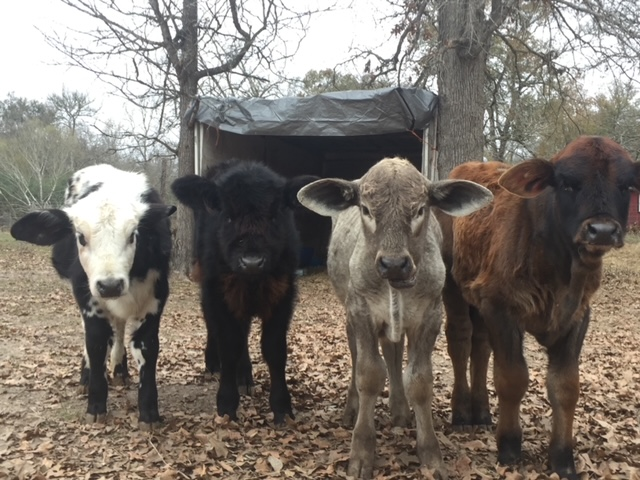
One of the primary benefits of incorporating homesteading is the opportunity for youth to connect with nature. Homesteading encourages you to step outside, get their hands dirty, and engage with the environment in a way that textbooks simply cannot replicate. Whether it’s planting seeds, tending to livestock, creating compost, or building a chicken coop, participants gain a profound appreciation for the natural world around them.
Gardening:
Gardening is a cornerstone of homesteading, and it provides an ideal platform for hands-on learning. Children can actively participate in planning, planting, and maintaining the family’s garden. This process not only teaches them about plant life cycles, soil health, and photosynthesis but also instills a sense of responsibility as they witness the direct impact of their efforts on the garden’s well-beingand how the garden provides for their family. Another great side benefit of getting youth involved in gardening is that they are often less picky eaters, eager to eat what they have grown themselves!
Cooking and Nutrition:
Growing your own food often spurs in kids an interest in cooking that food. Homesteading homeschoolers can learn the art of meal preparation using fresh, homegrown ingredients. Salsa that doesn’t come in a jar? Fresh, roasted corn straight out of your garden? Yum!
Livestock and Management:
Homesteading often involves raising. breeding, and processing livestock, poultry, and rabbits. We use chickens/ducks for eggs and meat, goats for milk, rabbits and sheep for meat. Caring for animals teaches children about responsibility, empathy, and the interconnectedness of all living beings. Additionally, it provides practical lessons in biology, nutrition, and the importance of ethical treatment of animals.
Practical Life Skills:
Homesteading provides a comprehensive education that goes beyond theoretical knowledge and equips children with practical life skills taught not as an afterthought but as a vital part of contributing to running a home. These skills are not only essential for self-sufficiency but also contribute to a well-rounded, capable, and confident individual. Learning the basics of homesteading naturally promotes environmental awareness and a commitment to sustainable living. Children become stewards of the land, develop an understanding of where their food comes from, and discover the impact their choices have on the environment.
Homesteading is hard work, and youth participating in this lifestyle develop a strong work ethic. They understand the value of diligence, perseverance, and the satisfaction that comes from seeing the fruits of their labor.